Choosing a Residential Stucco Contractor in Devon
Homeowners in Devon, AB see the same pattern each year. Long cold snaps. Sudden chinooks. Heavy snow loads. Driving spring rain along the North Saskatchewan River. Stucco stands up well when it is built for these cycles. It fails fast when it is not. That makes contractor choice a technical decision, not a cosmetic one.
Depend Exteriors works as a local stucco contractor in Devon with a focus on building envelopes that handle freeze-thaw, wind, and moisture. The team installs and repairs EIFS, acrylic stucco, traditional cement stucco, parging, and stone veneer. The company serves the T4G postal code and all of Leduc County with a process that blends engineering detail and practical field judgment. This article explains how a Devon homeowner can evaluate options, read site conditions, and select assemblies that last.
Why Devon’s microclimate demands the right stucco system
Devon sits in a river valley beside the North Saskatchewan River. Cold air pools in low spots near Voyageur Park and the Devon Lions Campground. Moisture levels rise near the river and along the tree lines by the University of Alberta Botanic Garden. Sun exposure changes sharply across the Ravines of Devon and Highwood. These microclimate pockets drive thermal expansion and contraction. They push water into small gaps. They also slow drying on north and east walls.
Those forces show up as hairline cracking in the finish coat, bulging walls where water swells the substrate, and efflorescence on cold seams. In severe cases the bond fails and delamination starts at openings and control joints. A good stucco contractor in Devon plans for this with detailing that sheds water fast, vents trapped moisture, and keeps insulation dry. That is the core of an Exterior Insulation and Finish System with a drainage plane. It is also the core of a cement stucco wall with clean flashings and weeps.
Systems that hold up in Alberta: EIFS, acrylic, and cement stucco
EIFS combines insulation and a vapor-open finish. The insulation layer, usually Expanded Polystyrene, shifts the dew point out of the sheathing. This reduces condensation risk inside the wall. A moisture-managed EIFS includes a drainage plane and grooves cut into the EPS to create capillary breaks. On high exposure walls, a 10 to 15 mm drainage space behind the foam improves drying. Acrylic finish coats add flexibility and color stability under thermal stress.
Traditional cement stucco remains a strong option for impact resistance and fire performance. It uses wire lath over a weather-resistive barrier. A scratch coat and brown coat create mass and rigidity. A finish coat completes the texture. Cement stucco needs control joints, weep screeds, and proper flashings around penetrations to perform well during freeze-thaw cycles. Parging protects the base of walls and foundations from splash-back and ice.
Hybrid exteriors are common in Devon. Acrylic stucco on the upper walls pairs well with stone veneer at the base for durability and curb appeal. Kickout flashing at lower rooflines keeps runoff away from vertical faces. Caulking lines at windows and doors need the right sealant and joint geometry. Each part matters because small mistakes compound under chinook swings.
Material families Devon homeowners can trust
Depend Exteriors works with brands proven in Alberta. For EIFS, the team installs Dryvit Systems and Sto Corp assemblies. For traditional cement stucco, Imasco Minerals binders produce reliable scratch and brown coats with consistent set times. For high-performance applications, ADEX Systems and Senergy products support higher R-value targets and stable acrylic finishes. DuRock remains a solid choice for base coats and mesh options on complex details.
Brand choice is not a label exercise. It is about components that integrate well. This includes fastening patterns that hold EPS secure in high wind zones above the Devon riverbank. It also includes mesh weights that resist hail. Texture sprayers and power mixers must match product viscosity. Laser levels help maintain plane and joint alignment across long runs on Highwood bungalows and two-storey homes in Highwood Park.
Common stucco problems seen in Devon
Hairline cracks form near corner beads or long spans that lack control joints. These often start in the finish coat and can creep into the brown coat if movement is large. Water infiltration shows as dark vertical streaks under window sills or near missing kickout flashings. Bulging walls usually point to trapped moisture behind the foam or a saturated sheathing layer. Efflorescence looks like white powder on the surface and signals repeated wetting and drying cycles. Mold growth can occur in shaded areas where air movement is poor, especially near dense shrubs along the Ravines of Devon. Delamination shows where the finish coat peels or blisters after freeze-thaw. Hail damage appears as pitting on acrylic finish and scarring on cement-based textures. Wood rot develops behind failed substrates when a drainage plane is missing or blocked.
A stucco contractor in Devon should confirm hidden conditions before new work begins. Moisture meters and core samples help locate saturated areas. Thermal cameras can identify cold spots or missing EPS panels. An honest inspection saves money. It also prevents covering a problem that will force another repair next season.
Quick pre-hire checklist for a Devon stucco project
- Ask for WCB Alberta coverage and proof of $2 Million liability insurance.
- Request a Free Exterior Audit with moisture meter readings and photos.
- Confirm experience with EIFS drainage planes, kickout flashing, and control joints.
- Verify brand certification for Dryvit, Sto, or Imasco Minerals systems.
- Get a written 10-year workmanship warranty covering cracking and delamination.
What a correct EIFS or cement stucco assembly looks like
A moisture-managed EIFS in Devon starts with a solid substrate. Plywood or OSB needs a clean, continuous air barrier. Tape seams with products that meet Alberta Building Code air leakage rates. Use a drainage plane that creates a defined path for water to exit at the base. Install EPS in thicknesses from 2 to 4 inches to reach target R-values. EPS runs at about R-4 per inch. Back-wrap edges and seal returns to reduce wicking. Use mesh weights that match impact exposure. Apply a crack-resistant base coat. Finish with acrylic for color and texture. Provide expansion and control joints to break up long runs and manage movement.
For cement stucco, install two layers of a weather-resistive barrier over the sheathing in high exposure zones. Attach heavy-duty wire lath with correct fastener spacing and penetration depth. Apply the scratch coat to embed the lath and create keying ridges. The brown coat brings the plane true. A finish coat sets the texture and final color. Integrate weep screeds at the base to drain incidental moisture. Use metal flashings with positive laps over windows, doors, and roof-wall intersections. Keep a minimum clearance above grade to prevent wicking.
Sealant joints matter. A typical perimeter joint around windows should have a backer rod and a flexible sealant with the right movement rating. Tool the bead for a concave profile. The goal is elastic movement through chinook events without tearing. On older homes near Miquelon Estates, retrofits often need new flashings and updated air barrier details to meet code. On newer homes in Highwood Park, the work may center on re-finishing acrylic for uniform color and re-sealing control joints after five to seven years.
Service coverage across the T4G area
Rapid exterior dispatch is available across Devon’s T4G postal code. Crews live within short travel of the site, so setup happens fast, and weather windows are used well. That matters in spring and fall when cure times depend on temperature swings and chinook winds. The company also supports nearby towns across Leduc County, Calmar, Beaumont, and west-side communities such as Spruce Grove and Stony Plain. Edmonton projects are handled by a dedicated crew to maintain schedule control.
- Highwood and Highwood Park
- Ravines of Devon
- Miquelon Estates
- Robina Park
- Properties near Voyageur Park and the Devon Lions Campground
How Depend Exteriors diagnoses stucco problems
The Free Exterior Audit begins with a walk-around and documentation. The technician marks staining patterns, displaced sealant, and soft spots. Moisture meters measure in suspected areas. If needed, a small core sample confirms layer condition without harming structure. The report includes photos, meter readings, and a clear scope. For EIFS, the scope might call for EPS replacement on wet sections, new mesh and base coat, and a complete acrylic re-finish to blend color. For cement stucco, the plan might include joint cuts for new control joints, patching with compatible base coats, and a fog coat to even tone.
The team checks window head flashings, sill end dams, and kickout flashing at roof returns. Where parging has flaked at the foundation line, the crew cleans to sound material, primes as needed, and re-applies with correct thickness. Where wood rot is found behind the substrate, carpentry repair is scheduled before stucco work proceeds. This sequence protects the warranty and keeps the wall dry.
Tools and field controls that improve outcomes
Safe and accurate setup leads to better finishes. Crews use scaffolding to reach full elevations and maintain work plane consistency. Laser levels help set control joint lines and corner beads. Power mixers produce uniform base coats with the right water ratio. Texture sprayers apply acrylic finish with even coverage and texture depth. Moisture meters validate dry-down between coats when weather is marginal. These controls cut rework and help deliver clean textures in only a few passes.
Sequencing work in Alberta weather
Coating chemistry and ambient conditions must match. Acrylic finishes need adequate temperature and humidity to dry on schedule. Below-freezing air or strong wind across a north wall can stall cure time. The site lead staggers walls based on sun exposure. South and west walls are done first during cool seasons. North and east walls move to the second window or the next warm day. If a cold snap is due, crews pause finish coats and focus on flashings, sealants, and prep. This schedule control is a key reason local crews deliver smooth outcomes in Devon’s river valley.
EIFS vs. Cement stucco in Devon: how to choose
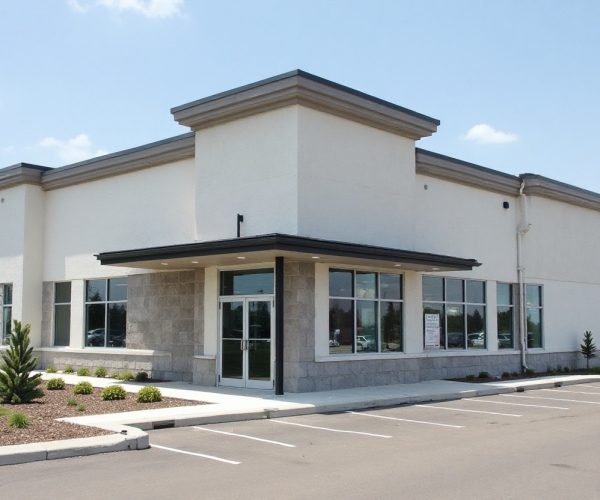
EIFS adds thermal resistance. A 2 to 4 inch EPS layer bumps wall R-value by roughly R-8 to R-16. That reduces thermal bridging at studs. It also warms the sheathing, which cuts condensation risk under cold snaps. Acrylic finish coats stretch better than cement during movement. The trade-off is lower impact resistance unless mesh weight is increased.
Cement stucco delivers hard impact resistance and a traditional appearance. It handles small impacts and stands up well under hail relative to thin acrylic coats. The trade-off is lower flexibility. Control joints and expansion joints must be correct to prevent random cracking. On homes near Castrol Raceway or open fields with higher wind exposure, many owners select cement stucco with acrylic finish for color stability. Others select EIFS on the main walls with stone veneer at the base for impact zones. Both choices work when details and drainage are in place.
Parging and stone veneer details that prevent early failure
Parging is often the first line of defense at grade. In Devon it takes abuse from snow shovels, ice, and splash-back. Good parging work includes a clean substrate, sound primer when needed, and a controlled thickness that resists flaking. Tie-ins with stucco should not bridge expansion joints, which need to move. Stone veneer needs proper weep paths and support ledges. It also needs back-wrapped transitions where it meets EIFS or cement stucco. Without these details, water stalls behind the stone and finds its way up the wall by capillary action.
Windows, doors, and penetrations: small parts that drive big outcomes
Most leaks begin at openings, not on the field of the wall. A sound stucco contractor in Devon spends time on head flashings with positive laps, end dams, and kickout flashing where rooflines meet walls. Sealant joints need the right geometry and backer rod. Electrical and mechanical penetrations should have gaskets or boots, with the air barrier detailed tight to the pipe or box. Rigid flashings should channel water to daylight. Soft membranes should bridge to the weather-resistive barrier without fish mouths. These are small details that carry big weight during chinook events and spring storms.
Maintenance that extends service life
Stucco is durable, but it needs light maintenance. Re-seal control joints every five to seven years, or sooner if UV and wind exposure are high. Clean staining with approved cleaners that do not etch acrylic finishes. Keep shrubs trimmed back to let walls dry. Inspect kickout flashings each spring. Confirm that downspouts run to grade away from the foundation and do not dump onto stucco. On EIFS walls, address impact dents before water finds the base coat mesh. On cement stucco, monitor hairline cracks and bond a flexible finish coat if movement becomes visible.
Code compliance and municipal coordination
Devon sits inside the Edmonton Metropolitan Region with oversight from Leduc County on some edge properties. Work must meet Alberta Building Code for air barrier continuity, insulation levels, and fire performance. Municipal bylaws in Devon may affect scaffolding placement, street use, and hours. Depend Exteriors coordinates with the Town of Devon office when a project needs permits or inspection. This reduces friction during setup and keeps the timeline clean for residents near Robina Park and central streets.
Local case examples
On a Ravines of Devon two-storey, a north wall suffered delamination below a hip roof. Kickout flashing was missing, and water tracked behind the finish coat. The crew opened a small inspection area, confirmed wet EPS, and replaced two panels. New kickout flashing and a drainage channel fixed the source. The wall received new mesh, base, and acrylic finish. Moisture meter readings dropped to normal within two weeks, and the finish matched the west wall after a full elevation re-coat.
In Highwood Park, a bungalow built in the early 2000s showed efflorescence over the garage. The team traced it to improper window head flashing and clogged weeps. The fix used new flashings, fresh weep screeds, and a fog coat. The owner chose to add ADEX Systems foam on a south wall to raise R-value near a cold room. Winter heating bills dropped about 8 to 12 percent compared to the prior year based on the homeowner’s utility records.
Near the University of Alberta Botanic Garden, a home faced heavy shade and slow drying. Mold growth had started at a base trim. The crew added a ventilated drainage layer behind the stone veneer return and improved clearances above grade. A new parging band completed the fix. Staining stopped after the first season.
Cost drivers and budget planning
Budgets vary by assembly, access, and repair scope. EIFS reclads cost more per square foot than a simple acrylic re-finish but deliver energy gains. Cement stucco repairs cost less in material but demand precise joint work to control cracking. Access near steep lots by the river can add scaffolding costs. Weather adds time risk during shoulder seasons. A good quote breaks down materials, labor, access, and contingencies. Depend Exteriors provides itemized pricing and $0 down financing for approved clients. The team prices by elevation when that makes sense so the owner can phase work over two seasons if needed.
Signals that help Devon homeowners find reliable help fast
Local map results favor proximity, relevance, and business strength. A clear service area statement for the T4G postal code helps. Mention of Devon landmarks such as Voyageur Park and the North Saskatchewan River establishes local presence. Citing completed projects across Highwood, Highwood Park, the Ravines of Devon, Miquelon Estates, and Robina Park signals coverage. Listing neighboring service points in Leduc County, Calmar, Beaumont, Spruce Grove, Stony Plain, and Edmonton shows a stable regional footprint. Depend Exteriors supports all these areas with responsive scheduling and documented WCB Alberta and liability coverage. BBB Accreditation and a 10-year workmanship warranty round out trust for both homeowners and insurers.
Textures and colors that age well in Devon
Fine acrylic textures hide minor substrate waves and resist dirt pickup. Medium textures add shadow that softens sunlight on west elevations. Dark colors heat up under sun and expand more, so crews add control joints on long runs. Light tones show less thermal movement and keep surface temperatures lower. On cement stucco, finish coats with mineral pigments avoid chalking over time. Where hail is common, owners often pick a slightly heavier acrylic finish or a cement texture with acrylic color to balance toughness and color stability.
Technical benchmarks the crew follows
Drainage planes must allow water to exit to daylight. Weep screeds stay clear and continuous. Air barriers must remain unbroken at transitions. Fastener spacing on EPS follows brand specification for wind loads found along the river valley. Mesh weights scale with exposure and intended impact class. Sealant joints follow a width-to-depth ratio that supports movement. Curing times adjust for temperature and humidity. Moisture meters verify that substrates meet the target before coating resumes. These controls reduce risk across Devon’s fast weather swings.
Using stone veneer without creating a moisture trap
Stone veneer adds weight and character at entries and base walls. It must drain. A ventilated cavity or weep system at the base clears liquid water. Metal flashings bridge from the stone to the stucco without reverse laps. Foam returns get back-wrapped, and caulking does not bridge weep paths. In many Devon installs, the crew adds a durable parging band below the stone to take snow shovel abuse and guard against splash-back. That simple line saves many service calls after heavy winters.
Scheduling around river valley winds
Wind off the North Saskatchewan River can push dust into wet finishes. On exposed sites near Voyageur Park, the team sets wind screens and times finish coats during calmer hours. Where roofs shed snow onto walls, the crew delays work until melt patterns stabilize. This patience protects texture and bond. It also protects the owner’s schedule by avoiding rework.
Short answers to common Devon questions
How long does a full EIFS re-finish take on a typical Devon bungalow? Usually five to seven working days with normal cure windows. Add time for wet weather or complex elevations.
Can acrylic stucco go over old cement stucco? Yes, with proper cleaning, repairs, and a bonding base coat. Control joints may need cuts to handle movement.
What R-value gain is common with EIFS upgrades? Adding 2 to 4 inches of EPS often adds R-8 to R-16 to the wall assembly, depending on foam thickness and brand system.
Will hairline cracks return after repair? Movement never stops, but flexible finish coats and correct joints reduce recurrence. Many repairs hold clean for years in Devon conditions.
Is financing available? Depend Exteriors offers $0 down financing on approved credit. The team can price in phases if the owner prefers staged work.
Why homeowners choose Depend Exteriors as their stucco contractor in Devon
The company brings an engineering mindset to each wall. It uses Dryvit Systems and Sto Corp EIFS for energy gains. It relies on Imasco Minerals for reliable cement stucco performance. For high-efficiency upgrades, it installs ADEX Systems and Senergy for stable finishes in Alberta winters. Field crews carry scaffolding, power mixers, texture sprayers, laser levels, and moisture meters. They document conditions and share clear scopes. The firm stands behind the work with a 10-year workmanship warranty. Coverage includes WCB Alberta, BBB Accreditation, and $2 Million liability insurance. That combination delivers predictable outcomes for Devon and Leduc County clients.
Devon-specific tips before work starts
Plan access on narrow streets by Robina Park and central Devon. Confirm vegetation trimming on the Ravines of Devon lots with steep slopes. Check downspout routing near the river where grades fall fast. Schedule early in the season for homes shaded by tall trees near the University of Alberta Botanic Garden. Let the estimator know about any attic or wall condensation events during last winter. That data helps with dew point control for EIFS planning.
What a strong itemized quote looks like
The quote should show substrate repairs, air barrier work, drainage plane, EPS thickness, mesh weights, base coat type, and finish coat brand and texture. It should list control joint locations, flashing upgrades, caulking scope, and parging or stone veneer details. It should include schedule windows that respect temperature and wind constraints common in Devon. It should note the 10-year workmanship warranty terms. It should attach insurance and WCB Alberta documents. Depend Exteriors provides this level of clarity as a standard practice, with photos and measurements from the Free Exterior Audit.
Ready for a clear plan and firm pricing?
Depend Exteriors offers a Free Comprehensive Exterior Audit and an itemized quote for Devon homeowners. The team documents moisture, details hidden risks, and recommends a sequence that fits the site and the season. Financing starts at $0 down on approved credit. New installations carry a 10-year workmanship warranty. All field staff work under WCB Alberta coverage with $2 Million liability insurance. BBB Accreditation supports claims for insurers and lenders.
To schedule fast in the T4G area, reference your street and nearest landmark such as Voyageur Park or the University of Alberta Botanic Garden. Mention any staining, cracks, or bulges you see, and note which wall faces the river or prevailing wind. That context speeds diagnosis. As a trusted stucco contractor in Devon, Depend Exteriors is ready to repair, re-finish, or install systems that handle Alberta’s winters and look sharp for years.
Request your Free Exterior Audit now. A specialist will confirm your address in Devon or Leduc County, arrive with moisture meters and a camera, and deliver a clean, written plan the same week. Your exterior should work as hard as the climate demands. This team makes that happen.
https://s3.ca-central-1.amazonaws.com/depend-exteriors/devon/stucco-repair.html
Depend Exteriors Stucco Repair Experts in Edmonton, AB
Depend Exteriors provides hail damage stucco repair across Edmonton, AB, Canada. We fix cracks, chips, and water damage caused by storms, restoring stucco and EIFS for homes and businesses. Our licensed team handles residential and commercial exterior repairs, including stucco replacement, masonry repair, and siding restoration. Known throughout Alberta for reliability and consistent quality, we complete every project on schedule with lasting results. Whether you’re in West Edmonton, Mill Woods, or Sherwood Park, Depend Exteriors delivers trusted local service for all exterior repair needs.
Depend Exteriors
8615 176 St NW
Edmonton,
AB
T5T 0M7
Canada
Phone: (780) 710-3972
Website: dependexteriors.com | Google Site | WordPress